- OR -
Login / Signup with




- OR -
Login / Signup with

This organism is widespread in the environment, but rare in the flora of healthy individuals. Its carriage increases with hospitalization.

A biome is a major biotic unit bearing a characteristic and easily recognized array of plant life. Botanists long ago recognized that the terrestrial environment of the earth could be divided into large units having a distinctive vegetation, such as fores

Among all living organisms, flowers, which are the reproductive structures of angiosperms, are the most varied physically and show the greatest diversity in methods of reproduction of all biological systems.
Germplasm theory of Weismann was a very significant advancement in our understanding of heredity, since this was for the first time that a distinction between hereditary and environmental variations could be made on a sound basis.
Bilateral nervous systems, the simplest of which occur in flatworms, represent a distinct increase in complexity over the nerve net of radiate animals.
Discovery of the essentiality of nitrogen is often credited to de Saussure (1-3), who in 1804 recognized that nitrogen was a vital constituent of plants, and that nitrogen was obtained mainly from the soil.
Protiens are polymers of amino acids joined by peptide bonds (proteins are therefore also known as polypeptides). The number and order of the amino acids contained in a particular protein are prescribed by the DNA sequence of that protein?s gene.
Mutations are heritable changes in the genetic material that give rise to alternative forms of any gene. These alternate forms are called alleles. There are two broad types of mutations, those that affect the gene and those that affect whole chromosomes (
A tissue is a group of similar cells (together with associated cell products) specialized for the performance of a common function.
The biosphere as usually defined is the thin outer layer of the earth capable of supporting life. It is probably best viewed as a global system that includes all life on earth and the physical environments in which living organisms exist and interact.
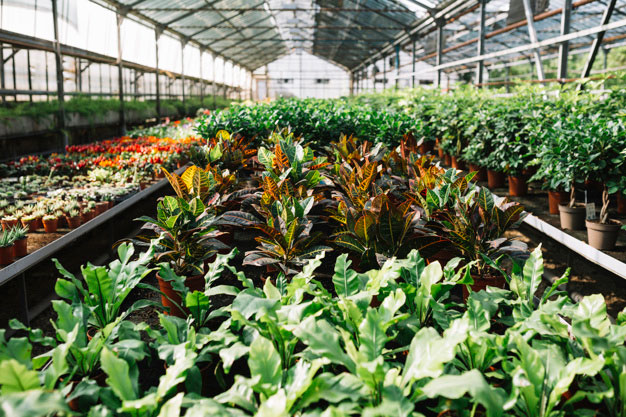
Horticulture may be described as the practice of growing plants in a relatively intensive manner. This contrasts with agriculture, which, in most Western European countries, relies on a high level of machinery use over an extensive area of land
To protect food quality and safety, antioxidants are often added to processed foods. These antioxidants can be synthetically derived compounds, such as butylated hydroxytoluene and ethylene diaminetetraacetic acid.
In vertebrates, the actual tissue from which gonads arise appears in early development as a pair of genital ridges, growing into the coelom from the dorsal coelomic lining on each side of the hind-gut near the anterior end of the kidney (mesonephros).
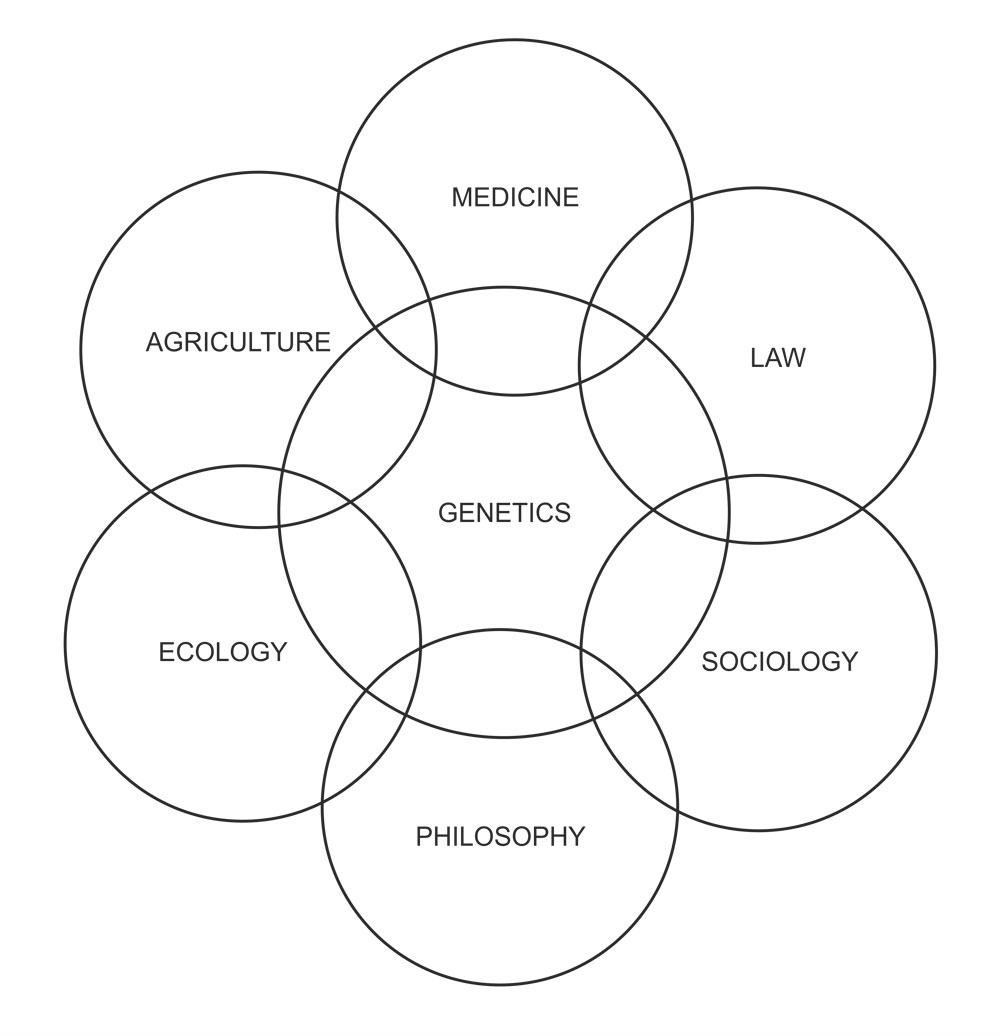
The area of developmental genetics has also received major attention of geneticists in recent years to answer questions like the following. What are the relative roles of nucleus and cytoplasm in differentiation?
Structural bioinformatics is concerned with computational approaches to predict and analyse the spatial structure of proteins and nucleic acids.
Biotechnology can be seen as an imprecise term since the harnessing of any biological process could justifiably be called biotechnology.
© 2012 - 2026 Biocyclopedia
